
From “Where’s Cheaper?” to a System: What Nikita Fedorenko Gained from His MBA

Nikita is pursuing an MBA while also working in procurement and with suppliers. Below is his essay on what has changed during his studies. We are publishing it with his permission, with minimal editorial changes.
Decisions that seemed normal
When I enrolled, I already had some experience, and it seemed that I generally understood how business processes worked. But it quickly became clear that many decisions that had previously seemed “normal” were, in fact, based more on gut feelings than on rigorous analysis. In simple situations, this wasn’t a big deal, but when it came to more complex problems, that approach started to fall short.
This was particularly evident in courses related to strategy and finance. At some point, I realized that I could no longer simply choose an option “on a hunch”—I automatically began to assess the consequences, risks, and impact on other processes and on the overall outcome. This is one of the most noticeable outcomes of the course.
Procurement: From Price to System
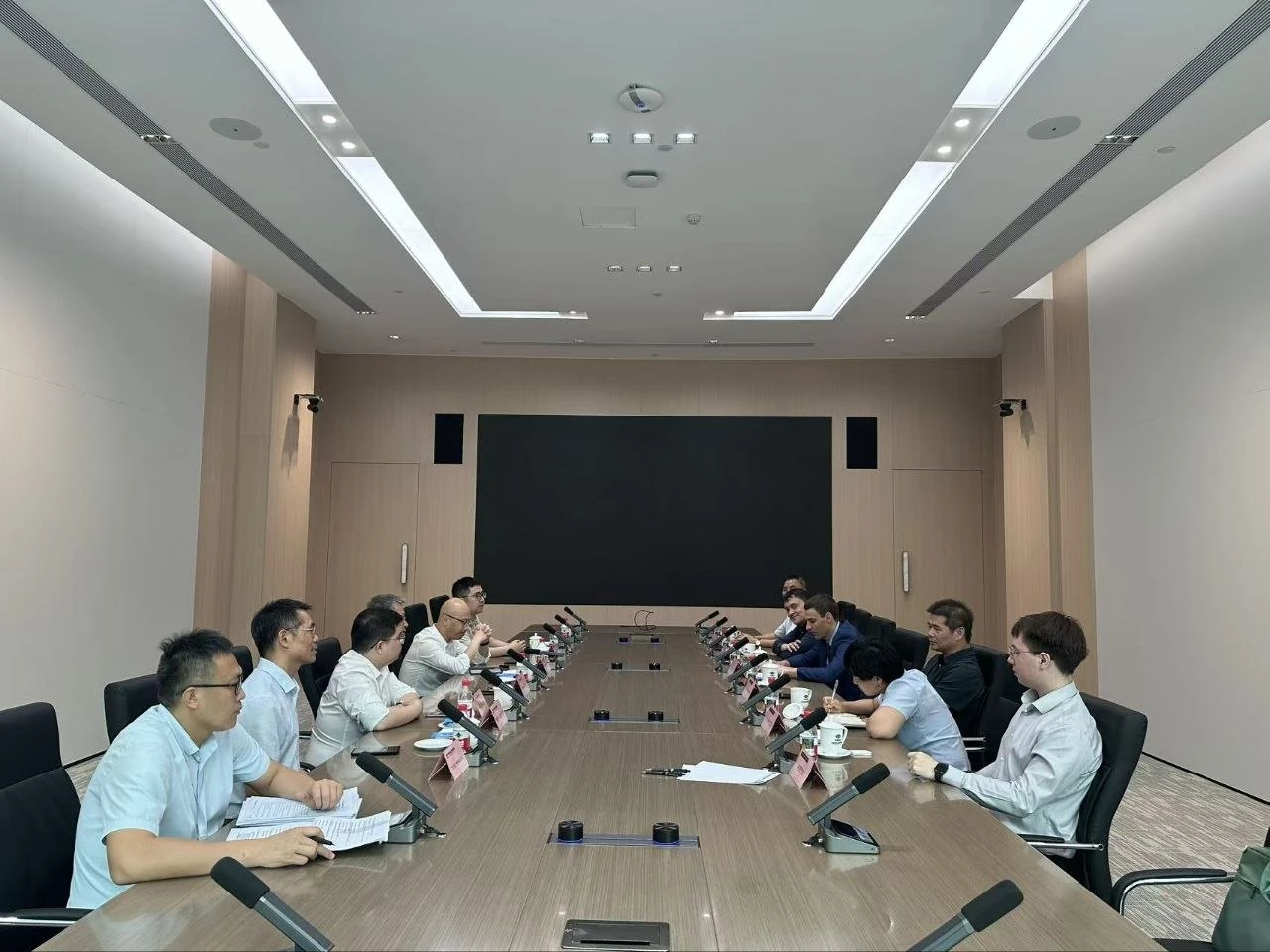
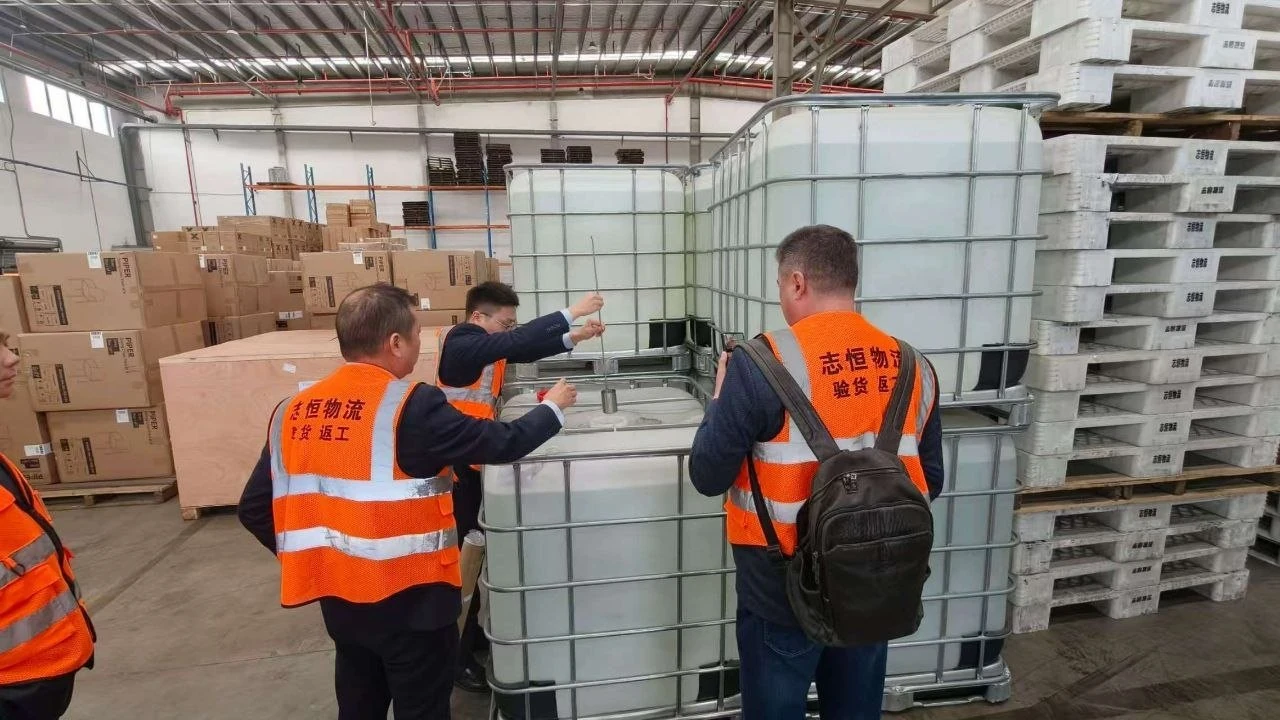
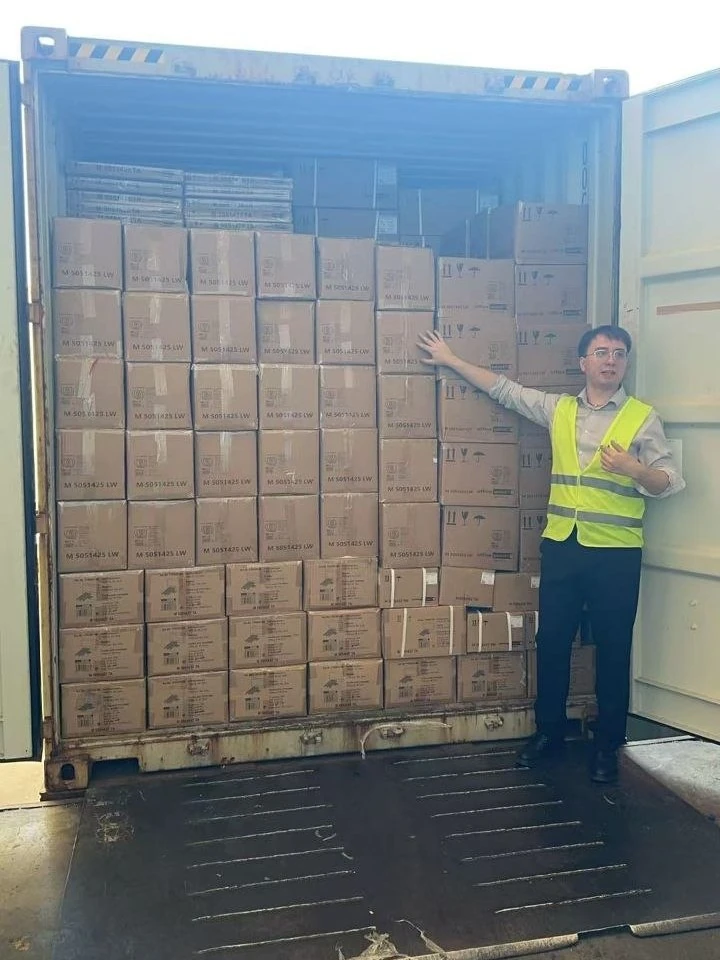
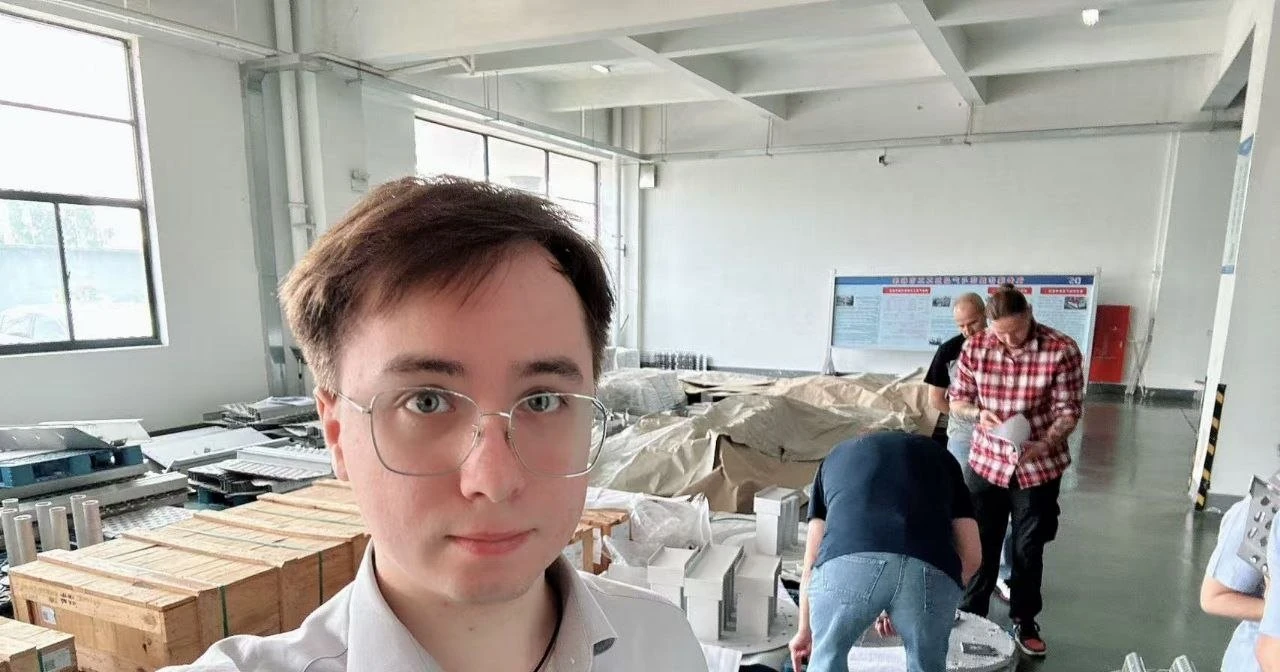
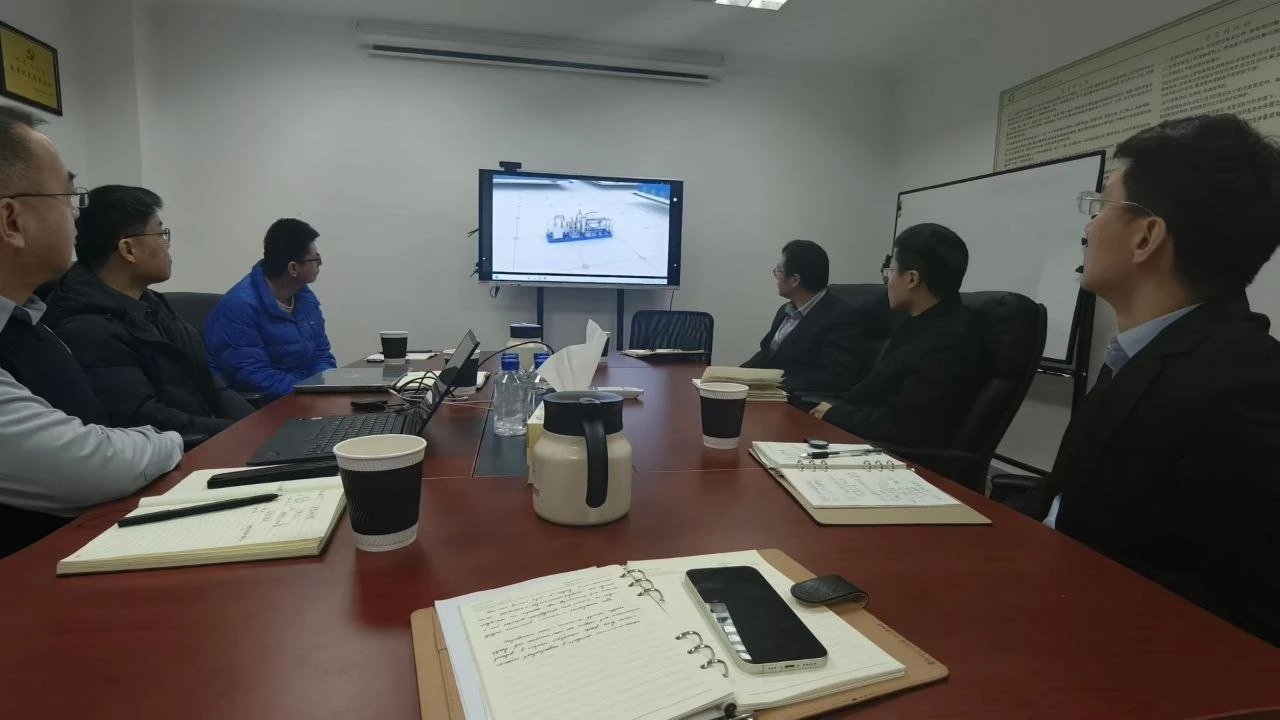
While I was studying, I immediately began applying these new approaches to my work. In tasks related to procurement and interactions with suppliers, I gradually moved away from the simple “where is it cheaper” logic toward a more comprehensive assessment. I began factoring in logistics, lead times, supply reliability, and potential risks.
Reporting is no longer just a formality
Our approach to finances has also changed. In the past, reporting was seen more as a formality that needed to be “ticked off the list.” Now it is a full-fledged working tool: the numbers reveal where problems arise, which decisions affect costs and bottom-line profit, and where there is room for improvement. We now handle key performance indicators with greater awareness and confidence.
Team, Deadlines, and Priorities
Teamwork also turned out to be an important part of the learning process. Everyone had different experiences, paces, and perspectives on the final result, so discussions sometimes took longer and required us to revisit certain issues. It wasn’t easy to get used to this at first, but over time it became clear that this is exactly how we arrive at more well-thought-out solutions.
I learned an important lesson for myself: to structure my position in advance, pay closer attention to the arguments of other participants, and refine joint decisions to the point where they can be confidently put into practice.
Time management turned out to be a challenge in itself. Balancing work, school, and my personal life proved to be more difficult than I had expected. During periods when several deadlines overlapped, I had to strictly set priorities and reevaluate my habits. Without proper planning, it would have been impossible to handle such a workload.
A Different Scale of the Problem
The overall perception of work has also gradually changed. Whereas attention used to be focused on individual tasks, there is now an understanding of how they are interconnected and how they affect the overall outcome. This allows us to evaluate decisions differently and better understand where actions truly impact the final result, and where they remain limited to the performance of individual functions.
I’d like to give special mention to the instructors. Their value lay not only in the theory but also in the practical experience they shared. Many discussions went beyond the scope of the course materials and gave us the opportunity to look at familiar things from a different perspective.
This text is based on the essay “What I Have Accomplished During My Studies,” dated April 22, 2026. Photos courtesy of the author.